Why luck plays a vital role in casino success
The Nature of Luck in Gambling
Luck is an intrinsic element of gambling, influencing the outcomes of games in ways that are often beyond the player’s control. While certain games rely heavily on skill and strategy, others are predominantly driven by chance. For example, in games such as slots or roulette, players are at the mercy of random number generators or the results of a spinning wheel, where their strategic expertise has little impact on the final outcome. This unpredictability is a crucial factor that makes casinos so appealing, particularly when considering options like bitcoin esports betting , as fortunes can shift dramatically within moments, keeping players engaged and hopeful.

The thrill associated with luck in casinos is a powerful draw that keeps players coming back. The excitement of potentially striking it rich creates a unique emotional bond between the player and the game. The euphoric rush of hitting a jackpot or winning a significant hand stimulates not only the senses but also the desire for risk-taking. This emotional connection is a vital component of the casino experience, as the allure of luck can transform ordinary moments into extraordinary ones, making each visit feel like a fresh adventure filled with possibilities.
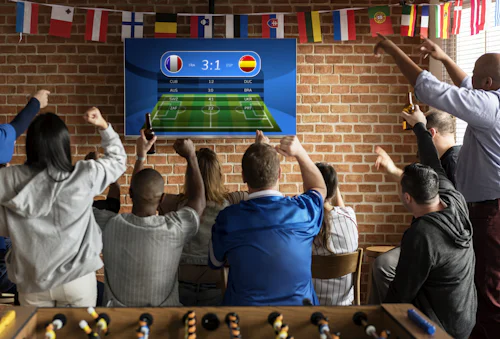
Moreover, the concept of luck can extend beyond individual experiences to a more communal atmosphere. Many players feed off the energy of those around them, where shared hopes and dreams mingle with collective luck. Celebratory moments, such as when a fellow player wins, can elevate the entire environment, fostering a sense of camaraderie among players. This social dimension of luck enhances the overall experience in casinos, making it not just a place for gambling, but a vibrant social hub where people connect over shared aspirations and the unpredictability of luck.
The Role of Probability in Casino Games
While luck undeniably plays a significant role in casino gaming, understanding probability is essential for any player looking to improve their chances of success. Each game is meticulously designed with specific odds, which can significantly influence a player’s strategy. For instance, in poker, players often calculate the probabilities of their hands to make informed decisions during play, allowing them to maximize their chances of winning. By understanding these odds, players can navigate the complexities of games, even those heavily reliant on chance, with a more strategic approach.
However, it is crucial to remember that probability does not eliminate the element of luck. Even the most skilled players can encounter unexpected outcomes that defy their strategic calculations. A seasoned poker player might fold an impressive hand only to see an inexperienced opponent win due to sheer luck with the draw. This intricate relationship between skill and luck illustrates the multifaceted nature of casino games, where understanding probability can serve as a valuable tool, but the ultimate result remains largely dictated by chance.
The concept of expected value is another critical aspect when discussing probability in casinos. Each game has an expected value that reflects the average outcome over time, yet individual gaming sessions can deviate significantly from these averages due to luck’s inherent unpredictability. Players may experience hot streaks or cold spells that lead them to believe in patterns of luck, even when the underlying odds remain steady. This fascinating interplay between luck and probability forms a captivating aspect of the gaming experience, making it essential for players to grasp both concepts to enhance their enjoyment and understanding of casino play.
The Psychological Impact of Luck on Players
The psychological effects of luck in casinos are profound, influencing how players behave and make decisions. Many individuals develop superstitions or rituals they believe can enhance their luck, such as specific ways of throwing dice or wearing certain items deemed lucky. These behaviors highlight the human tendency to seek control over random events, showcasing how deeply intertwined luck is with personal beliefs and aspirations in the gambling context. This psychological phenomenon can significantly impact a player’s experience, as they navigate the highs and lows of their gaming journey.
Furthermore, the concept of luck can lead to cognitive biases that skew players’ perceptions of their experiences. A common example is the gambler’s fallacy, where individuals believe that past outcomes can influence future results. For instance, a player on a losing streak may mistakenly think they are due for a win, leading them to take greater risks. This misconception can alter their decision-making process and result in behaviors that may not align with sound gambling practices, illustrating how psychological factors can interfere with a rational understanding of luck and outcomes.
The thrill associated with luck can also create a behavioral cycle that is challenging to break. Winning tends to encourage players to increase their bets, driven by the desire to replicate the exhilaration of triumph. Conversely, losses can lead to a compulsion to continue playing in hopes of recouping those losses. This emotional rollercoaster, fueled by the unpredictable nature of luck, fosters a deep attachment between players and casinos, often resulting in repeated visits as players chase the next big win or seek to mitigate their losses.
Luck and Casino Promotions
The connection between luck and casino promotions plays a significant role in enhancing the gaming experience for visitors. Casinos frequently design promotional activities and events that revolve around the theme of luck, such as lucky draws or contests that offer prizes based on chance. By framing promotions in this manner, casinos create an inclusive atmosphere where every player feels they have an opportunity to win. This sense of accessibility to luck encourages players to engage more actively with the casino, increasing their overall enjoyment and participation.
Additionally, loyalty programs often incorporate elements of luck, providing players with opportunities to win bonuses or rewards that feel serendipitous. These strategies not only promote regular patronage but also reinforce the notion that luck is a tangible aspect of the casino experience. Players often feel appreciated and valued when they perceive that they have a chance to receive unexpected benefits, fostering a deeper connection with the casino and enhancing their overall experience.
Promotional events contribute to the vibrant atmosphere of casinos, creating a festive environment where luck is celebrated and encouraged. The excitement of potentially winning during special events can lead to increased foot traffic and engagement, demonstrating how the allure of luck serves as a vital marketing tool. By leveraging the concept of luck, casinos not only attract players but also enrich their overall gaming experience, making each visit feel like a unique opportunity for fortune and fun.
Conclusion and Exploration of the Casino Experience
In conclusion, luck undoubtedly plays a pivotal role in the success of casinos and the experiences of their patrons. It serves as the heartbeat of the gaming environment, intertwining with skill, probability, and psychology to create a compelling narrative surrounding gambling. Players embark on their casino journeys filled with the hope that luck will be on their side, whether they are spinning the reels on a slot machine, engaging in poker, or participating in promotional events designed to heighten the thrill of chance.
While luck is a crucial component of the gaming experience, it is essential for players to maintain a focus on responsible gaming practices. Understanding the balance between skill and chance can lead to a more enjoyable and sustainable experience, minimizing the potential risks associated with gambling. Casinos that advocate for this balance and promote responsible gaming are likely to forge stronger relationships with their patrons, ensuring a positive environment for all.
As players continue to seek their next exhilarating adventure, the interplay between luck and strategy will remain a defining characteristic of the casino experience. By acknowledging the significant role that luck plays, players can approach their gaming sessions with a clearer perspective, embracing the excitement of uncertainty while making informed decisions. Casinos will continue to be dynamic ecosystems where luck reigns supreme, inviting players to partake in the thrills and wonders that the gaming world has to offer.